
If you’re weighing a move to Sedona, one question tends to come up right after “which neighborhood” and before “what’s it like in July”: what happens with Sedona home insurance when you’re surrounded by red rock canyons, juniper, and pinyon pine that can turn tinder-dry by early summer. It’s a fair question. Wildfire risk is part of living anywhere in the high desert and the Verde Valley, and understanding how it shapes insurance decisions will make you a smarter buyer, whether you’re looking at a home in West Sedona, a lot near Oak Creek Canyon, or something quieter in the Village of Oak Creek.
Why Wildfire Risk Is Part of the Sedona Conversation
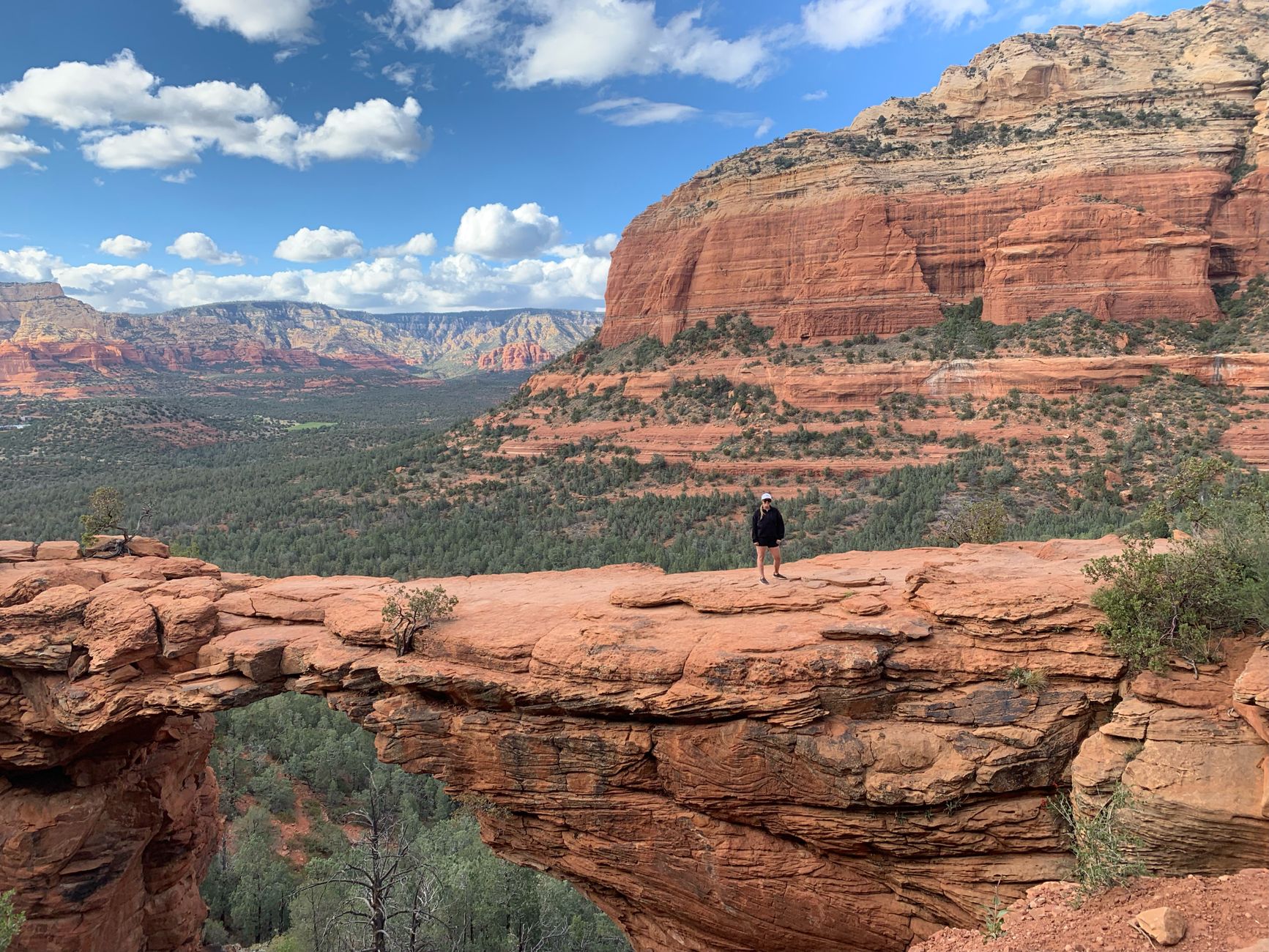
Sedona sits at roughly 4,350 feet in Arizona’s Verde Valley, ringed by national forest land, steep canyon terrain, and the kind of high desert vegetation, juniper, manzanita, scrub oak, pinyon pine, that dries out fast in the warm months before the July and August monsoon arrives. That combination of topography and vegetation is exactly what insurers and fire agencies pay attention to when they think about wildfire exposure. It doesn’t mean every property is at equal risk. A home tucked into a canyon with dense native growth right up to the walls sits in a different category than a home in an established West Sedona subdivision with cleared setbacks and paved access on all sides.
This is the backdrop for Sedona home insurance conversations. Insurers increasingly look at defensible space, roofing material, proximity to forest boundaries, and access for fire equipment when they underwrite a policy here, not just the home’s age or square footage.
How Location Within Sedona Affects Insurance Considerations
Not every part of Sedona and the surrounding Verde Valley carries the same wildfire profile, and it’s worth understanding the differences before you fall in love with a specific lot.
West Sedona
This is the everyday, residential side of town, with established neighborhoods, local services, and generally more distance from dense forest canopy than some of the canyon-adjacent properties. That doesn’t eliminate wildfire considerations, but the built-out, lower-vegetation character of much of West Sedona is a different risk picture than a home backing directly onto forest land.
Uptown Sedona
Uptown is dense with shops, galleries, and restaurants, and most of the residential properties near it are older and closer together. Insurers here are often thinking as much about structure age and density as about open-land wildfire exposure.
Village of Oak Creek
South of Sedona proper, the VOC tends to be a bit quieter, with more open, rolling terrain and golf course frontage in places. Depending on the specific lot, proximity to open desert and forest edges can still be a factor, so it’s worth asking about defensible space here just as you would anywhere else.
Oak Creek Canyon and Forest-Adjacent Properties
Homes tucked into Oak Creek Canyon or backed up against national forest land are the properties where wildfire questions get the most attention from insurers. The beauty of being surrounded by canyon walls and tree cover is also what puts a property closer to fuel sources, so expect more scrutiny during underwriting.
Cottonwood, Clarkdale, Jerome, and the Wider Verde Valley
If your search extends into the wider Verde Valley, Cottonwood with its walkable Old Town, Clarkdale, or Jerome perched on Mingus Mountain, each has its own terrain and vegetation profile. Jerome’s mountainside setting, in particular, is worth a closer look at defensible space and access roads given the steep, historic townsite layout.
What Actually Goes Into a Sedona Home Insurance Policy Decision
Buyers are often surprised by how much of the wildfire insurance picture depends on the property itself rather than just the zip code. A few things insurers and inspectors tend to focus on:
- Defensible space: The cleared, maintained buffer between a structure and surrounding native vegetation. Homes with well-managed space around them are generally viewed more favorably.
- Roofing and exterior materials: Fire-resistant roofing, siding, and decking materials can make a meaningful difference in how a property is assessed.
- Access for fire response: Driveways, road width, and how easily fire equipment can reach a property all factor into risk evaluation.
- Distance to forest boundary: Properties directly adjacent to national forest land are evaluated differently than those several blocks or miles removed.
- Water source proximity: Nearby hydrants or accessible water sources can influence how a property is underwritten.
None of this is meant to be alarming. It’s simply part of doing your homework the way you would research schools, commute times, or HOA rules anywhere else. Sedona’s high desert setting is part of what makes the area so beautiful, red rock buttes, canyon walls, views of Cathedral Rock or Bell Rock from your back patio, and understanding the tradeoffs that come with that setting is part of buying wisely here.
Questions to Ask Before You Buy
Whether you’re considering a permanent move, a second home, a retirement property, or an investment purchase, it’s worth asking these questions early in the process, ideally before you’re deep into escrow.
- Has the property had a wildfire risk assessment, and is one available to review?
- What is the defensible space situation, and has vegetation management been done recently?
- What are the roofing and exterior materials, and when were they last updated?
- How close is the nearest fire station, and what does response access look like on the property’s road?
- Has the seller had any difficulty securing or renewing coverage, and if so, why?
A good local agent or insurance broker familiar with the Verde Valley can walk you through how a specific address is likely to be evaluated. This is one area where local knowledge matters more than a national rule of thumb, because Sedona’s terrain varies so much from one street to the next.
Living With the Landscape, Not Against It
Part of what makes Sedona special, the red rock formations, the trailheads at Cathedral Rock and Bell Rock, the quiet of Boynton Canyon, the drive up Oak Creek Canyon toward Slide Rock State Park, is inseparable from the high desert ecosystem that also drives wildfire considerations. Most longtime residents don’t think of this as a downside so much as a reality of the place, similar to how someone buying near the coast thinks about flood zones or someone in the Midwest thinks about tornado season. It’s simply part of understanding where you’re putting down roots.
Many homeowners here take an active role in reducing their own risk, clearing brush seasonally, choosing fire-resistant landscaping like the native, well-spaced plantings you’ll see in a lot of West Sedona yards, and staying current on any recommendations from local fire officials. That kind of ongoing stewardship tends to be viewed favorably by insurers over time and is simply good practice for anyone living at the edge of red rock and forest country.
Getting Comfortable With the Process
If you’re relocating from a part of the country where wildfire wasn’t part of the homebuying conversation, it can feel like one more thing to learn on top of everything else, new towns, new terrain, a new pace of life. Give yourself time to understand it rather than treating it as a red flag to avoid. Talk to neighbors in the area you’re considering, ask your agent pointed questions, and get a feel for how a specific property has been maintained. Most buyers find that once they understand the landscape and what it asks of a homeowner, it becomes a manageable, even routine, part of owning here.
Sedona home insurance, like the town itself, rewards buyers who do their homework and pay attention to the specifics of a property rather than relying on assumptions. Understand the terrain, ask the right questions, and you’ll be in a strong position to enjoy everything this red rock landscape has to offer, with a policy and a property that fit the place you’ve chosen to call home.
Frequently Asked Questions
Is it hard to get home insurance in Sedona because of wildfire risk?
It depends heavily on the specific property. Homes with good defensible space, fire-resistant materials, and reasonable distance from dense forest tend to have more straightforward coverage options than properties tucked directly against heavy vegetation or steep canyon terrain.
Do all Sedona neighborhoods have the same wildfire risk?
No. Areas like established West Sedona subdivisions generally have a different profile than homes in Oak Creek Canyon or right against national forest boundaries. Terrain, vegetation density, and access all vary by specific location.
What can homeowners do to lower their wildfire risk in Sedona?
Maintaining defensible space around the home, using fire-resistant roofing and exterior materials, and keeping vegetation cleared and managed are the most commonly recommended steps. Ensuring the property has clear access for fire response equipment also helps.
Should I get a wildfire risk assessment before buying a home in Sedona?
It’s a smart step, especially for properties near forest land or in canyon terrain. A local insurance agent or broker familiar with the Verde Valley can help you understand how a specific address is likely to be evaluated before you commit to a purchase.
Thinking About More Than a Visit?
Sedona has a way of making people wonder what it would be like to stay. If owning a home here has crossed your mind, whether that is a full-time move, a second home, or a place to retire, a home consult is where you get real answers about neighborhoods, what things cost, and what actually fits.
