
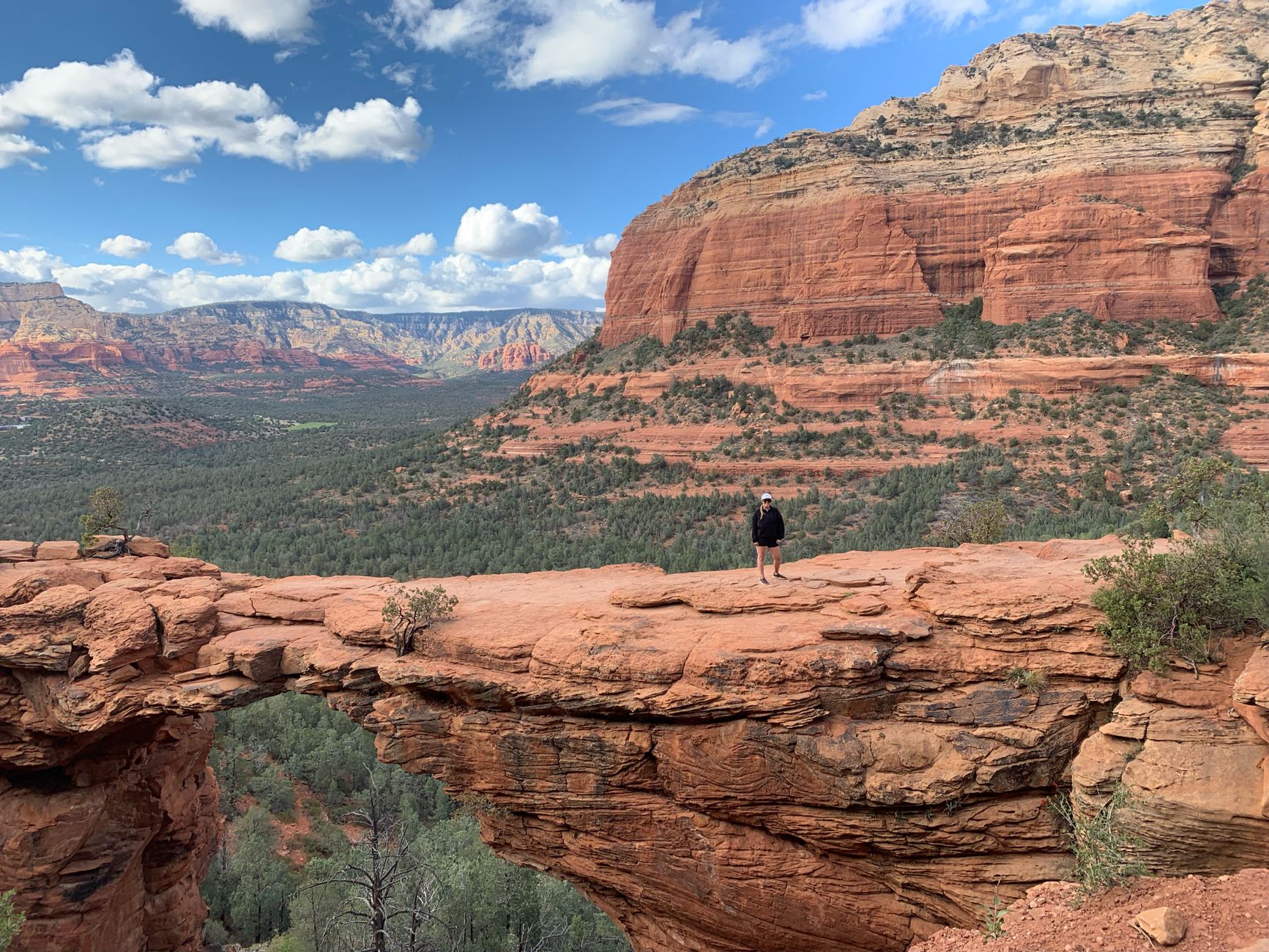
If you’re new to Sedona mountain biking, the first thing to know is that this isn’t a one-trail-fits-all kind of place. The trail network winding through the red rocks around West Sedona, the Village of Oak Creek, and the Dry Creek corridor covers everything from smooth, meandering singletrack to slickrock ledges that will test even seasoned riders. The trick is matching the trail to where you’re actually at, not where you wish you were, so let’s break it down by skill level.
Why Sedona Is a Mountain Biking Destination
Sedona’s terrain is a mix of red dirt, slickrock, and technical ledges, all set against the same sandstone formations that make the town famous for hiking and photography. Riders come from all over for the variety packed into a relatively compact area. You can start a ride in West Sedona and be deep in red rock scenery within minutes, no long drive required. The mild four-season climate also means riding is possible most of the year, with spring and fall being the sweet spot and summer mornings working well before the heat builds.
Best Beginner Mountain Bike Trails in Sedona
If you’re just getting into Sedona mountain biking, or you’re bringing kids or less experienced riders, start with trails that have gentler grades and fewer technical obstacles.
- Bell Rock Pathway: A wide, well-graded path near Bell Rock that’s ideal for first-timers wanting red rock views without technical stress.
- Chuckwagon Trail: Rolling and relatively mellow, this one connects into the broader Dry Creek trail network and is a good confidence builder.
- Easy Breezy / Slim Shady area trails: Several trails in the Dry Creek network are specifically flagged as beginner-friendly, with smooth dirt and minimal ledges.
Beginner trails in Sedona still deliver the scenery. You’ll ride past juniper and pinyon pine with red rock towers rising around you, just without the white-knuckle sections that intermediate and advanced trails throw at you later on.
Tips for First-Time Riders
- Rent from one of the bike shops in West Sedona or Uptown if you don’t want to bring your own bike.
- Start early in the day, especially in summer, since afternoon heat and monsoon storms can move in during July and August.
- Carry more water than you think you need. The dry air and elevation catch a lot of visitors off guard.
Intermediate Trails Around West Sedona and Dry Creek
Once you’re comfortable with loose dirt, rolling terrain, and the occasional rock garden, the intermediate network around West Sedona and Dry Creek opens up.
- Cathedral Rock area connectors: Trails feeding toward Cathedral Rock offer red rock views with moderate climbs and some technical sections, without the exposure of the true expert routes.
- Aerie Trail System: A network of interconnected trails in West Sedona known for flowy singletrack with enough rock features to keep things interesting.
- HiLine and connecting trails (intermediate sections): Parts of the HiLine network offer stepped-up technical riding while still being manageable for confident intermediate riders, though other sections of HiLine cross into advanced territory.
This is where Sedona mountain biking really starts to show its character. You’ll hit slickrock rollers, short punchy climbs, and enough exposure to red rock formations that you’ll want to stop and take photos, if you can find a safe spot to pull over.
What Makes a Trail “Intermediate” Here
In Sedona, intermediate usually means a mix of packed dirt and slickrock, moderate exposure on some sections, and rock gardens that require some bike-handling skill but aren’t sustained the whole ride. If you’re comfortable riding loose rock at a moderate pace and can handle short technical bursts, you’re in the right zone.
Advanced and Expert Trails for Experienced Riders
Sedona’s reputation in the mountain biking world comes largely from its advanced terrain. These trails are technical, exposed, and unforgiving of mistakes, so they’re best left to riders with solid skills and experience on similar terrain.
- Hangover Trail: One of the most talked-about technical trails in the area, known for steep slickrock drops and serious exposure near the edges.
- Hiline Trail (advanced sections): The full HiLine route includes narrow ledges and exposed slickrock traverses that demand precise line choice.
- Munds Wagon Trail (technical stretches): Longer and more remote, with rocky, technical sections mixed into a bigger backcountry feel.
These trails aren’t just physically demanding, they require good judgment. Exposure near cliff edges and loose slickrock mean a mistake can have real consequences, so know your limits and consider riding with a partner on the more remote sections.
Where to Start a Ride Depending on Where You’re Staying
If you’re staying in West Sedona, you’re close to the Dry Creek trailheads and the Aerie system, making it easy to string together beginner and intermediate loops without much driving. Uptown visitors will need to head out toward West Sedona or south toward Bell Rock and Cathedral Rock, since Uptown itself is more about galleries, shops, and restaurants than trail access. If you’re based in the Village of Oak Creek, you’re closer to the Bell Rock and Cathedral Rock trail networks, which makes for a shorter drive to some of the most scenic beginner and intermediate riding in the area.
Seasonal Considerations for Sedona Mountain Biking
Sedona sits at about 4,350 feet, which keeps summers warmer than Flagstaff but milder than Phoenix. Spring and fall are the most popular riding seasons, with comfortable temperatures and stable trail conditions. Summer riding is doable if you go early, but the July and August monsoon season can bring afternoon thunderstorms, and wet slickrock is far more slippery and dangerous than dry. Winter brings occasional light snow, but most days are still rideable, just check trail conditions after any precipitation since red dirt can turn to mud that damages the trail surface.
A Few Practical Notes Before You Ride
- Trail difficulty ratings in Sedona can run harder than what you’d expect elsewhere, so it’s smart to size down a level if you’re trying a trail for the first time.
- Many trailheads require a Red Rock Pass, so check signage or plan ahead before you park.
- Cell service is spotty on several trail systems, so let someone know your route, especially on the more remote advanced trails.
Whether you’re rolling along Bell Rock Pathway for the first time or working up the nerve to try Hangover, Sedona mountain biking rewards riders at every level with some of the most photogenic singletrack in the Southwest. Start where your skills actually are, build up gradually through the intermediate network, and the advanced trails will still be there once you’re ready for them.
Frequently Asked Questions
What is the best trail for beginner mountain bikers in Sedona?
Bell Rock Pathway is one of the most popular starting points, offering a wide, well-graded surface with red rock scenery and minimal technical obstacles. The Dry Creek trail network near West Sedona also has several trails specifically suited to newer riders.
Are Sedona mountain bike trails harder than trails in other areas?
Many riders find Sedona’s difficulty ratings run harder than similar ratings elsewhere, largely due to the slickrock surfaces and technical ledges common throughout the area. It’s a good idea to start a level below what you’d normally ride until you get a feel for the terrain.
When is the best time of year to mountain bike in Sedona?
Spring and fall offer the most comfortable temperatures and stable trail conditions for Sedona mountain biking. Summer riding is possible with an early start, though the July and August monsoon season can bring afternoon storms that make slickrock sections slippery.
Do I need a pass to park at Sedona mountain biking trailheads?
Many trailheads in the Sedona area require a Red Rock Pass for parking, so it’s worth checking signage or planning ahead before you head out. Passes are typically available at visitor centers and various local vendors.
Get the Local’s Guide to Sedona
Every week we send the best of Sedona and the Verde Valley: the trails worth the drive, where the locals eat, and what is happening around town. Join free.
