
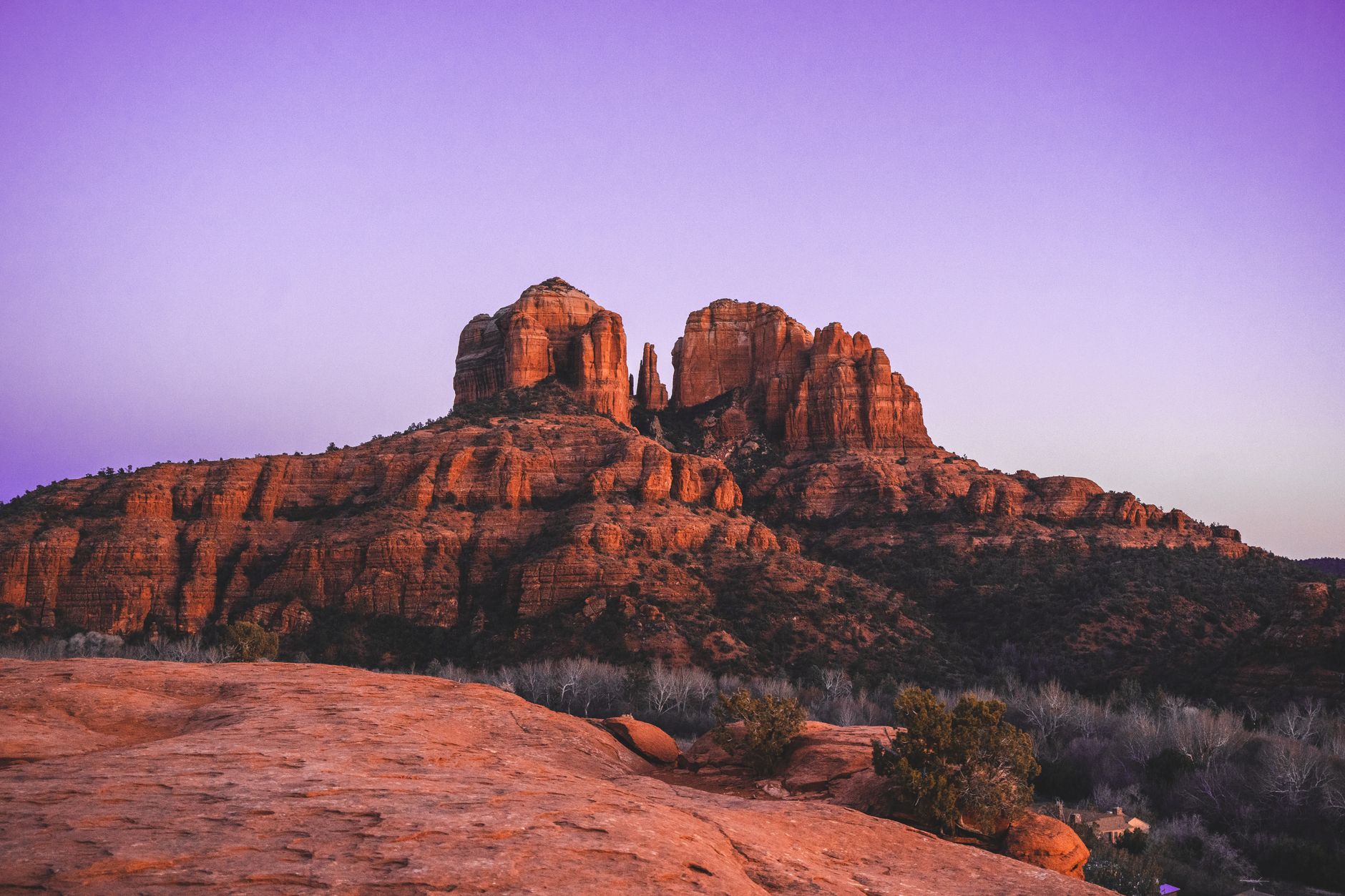
Ask ten people in Sedona what a vortex actually is and you will get ten different answers. Some call it a spiritual thing, others call it a marketing thing, and plenty of longtime locals just shrug and say it is a good excuse to hike somewhere beautiful. Whatever your take, Sedona vortex sites are real destinations you can visit, and knowing where to go and what to expect will make the experience a lot better than just wandering red rocks hoping to feel something.
This guide covers the four best known vortex sites, how to get to each one, what people report feeling there, and how to plan a vortex day that also happens to be one of the best hiking days you will have in Arizona.
What Is a Sedona Vortex, Exactly
A vortex, in the way Sedona uses the word, is a place where believers say the earth’s energy is unusually strong or concentrated. The idea took hold in Sedona in the 1980s and has stuck around because the red rock landscape itself is dramatic enough to make the claim feel plausible. You do not need to buy into the metaphysics to enjoy these spots. Geologically they are simply some of the most striking formations in the Verde Valley, and that alone is worth the trip.
People describe the sensation at Sedona vortex sites in different ways. Some feel calm and clear headed. Some feel energized, like their heart rate picks up on the approach. Others feel nothing unusual and just enjoy the view. There is no wrong way to experience it, and no ticket or fee required beyond standard trailhead or park parking.
The Four Main Sedona Vortex Sites
Sedona’s vortex map generally comes down to four locations, each with its own character and its own kind of energy, at least according to the people who track these things.
Airport Mesa
Airport Mesa sits just off Airport Road on the west side of town, a short climb from a small parking area near the Sedona Airport. It is considered a masculine or “electric” vortex, said to sharpen focus and boost energy. The real draw for most visitors is the payoff at the top: an open, sweeping view over West Sedona and the red rocks beyond, especially good at sunrise or sunset. It is one of the shortest and easiest vortex hikes in town, which makes it a good first stop if you are short on time.
Cathedral Rock
Cathedral Rock is arguably Sedona’s most photographed formation, and it is also considered one of the strongest vortex sites. The main trail is short but steep, with sections of slickrock scrambling near the top. Many people stop at the saddle between the spires, which offers views back toward Oak Creek and is often described as the spot where the energy is most noticeable. Because of its popularity, arriving early is the best way to avoid a crowded trailhead and a packed parking lot.
Bell Rock
Bell Rock, just off Highway 179 near the Village of Oak Creek, is often called a balanced vortex, blending both masculine and feminine energy depending on who you ask. It is one of the easiest formations to access, with a wide trail circling the base and options to scramble partway up the rock itself. Because it sits right along the highway with ample parking, it is a good choice if you want a shorter visit or are traveling with people who are not up for a strenuous hike.
Boynton Canyon
Boynton Canyon, northwest of town near Dry Creek Road, is considered a feminine or “magnetic” vortex, often described as calming and introspective rather than energizing. The trail winds through a beautiful canyon with red rock walls on both sides before reaching a vortex overlook partway up. It is quieter than Cathedral Rock or Bell Rock and offers some shade, which makes it a good option on hot afternoons.
How to Choose Which Sedona Vortex Sites to Visit
If you only have a day, pick based on the kind of experience you want and how much hiking you are up for.
- Short on time or mobility: Bell Rock or Airport Mesa, both quick and accessible.
- Want the most dramatic scenery: Cathedral Rock, especially at sunset.
- Want quiet and shade: Boynton Canyon, particularly in summer heat.
- Want sunrise or sunset views over town: Airport Mesa.
Many visitors try to hit two or three Sedona vortex sites in a single day, and it is doable since none of them are far from West Sedona or Uptown. Cathedral Rock and Bell Rock are close enough to Highway 179 that you can visit both in a single loop, while Airport Mesa and Boynton Canyon sit on opposite sides of town and require a bit more driving.
What to Expect When You Get There
None of the vortex sites have gates, tickets, or official markers beyond trailhead signage, so do not expect a visitor center experience. What you will find is standard trailhead parking, sometimes a small fee or a Red Rock Pass requirement depending on the trailhead, and well marked trails maintained by the Coconino National Forest.
Weather matters more than people expect. Summer afternoons get hot, especially on exposed rock like Cathedral Rock and Bell Rock, so early morning or early evening visits are more comfortable. The July and August monsoon season brings quick afternoon storms, and red rock is not the place you want to be during lightning, so check the forecast and plan around it. Winter brings cooler, more comfortable hiking temperatures and occasional light snow that makes the red rock genuinely stunning against white dustings.
What People Actually Do at a Vortex
There is no required ritual. Some visitors meditate quietly for a few minutes, some do yoga at the top of Airport Mesa or the saddle at Cathedral Rock, and plenty just sit and take in the view. Guided vortex tours are available around town through local jeep tour operators and energy practitioners if you want more structure or explanation, but a self guided hike works just as well if you would rather explore at your own pace.
Tips for a Better Vortex Visit
- Go early morning or late afternoon, both for lighter crowds and softer light for photos.
- Bring more water than you think you need, especially at Cathedral Rock and Bell Rock where there is little shade.
- Wear real hiking shoes. Slickrock at Cathedral Rock gets slippery, especially if it is at all damp.
- Check for a Red Rock Pass or park fee requirement at your chosen trailhead before you go.
- If you want a quieter, less touristy version of the vortex experience, visit on a weekday morning rather than a weekend.
Pairing Vortex Sites With the Rest of Sedona
Because the four main vortex sites are spread around town, a vortex day naturally doubles as a tour of Sedona’s best scenery. Airport Mesa is minutes from Uptown’s galleries and restaurants, so it pairs well with an afternoon browsing Tlaquepaque Arts and Shopping Village. Cathedral Rock and Bell Rock sit close to the Village of Oak Creek, a quieter, more residential side of town with its own golf courses and local spots. Boynton Canyon is near some of Sedona’s resort properties and not far from Dry Creek Road’s own cluster of trails.
If you have extra time, Oak Creek Canyon and Slide Rock State Park are a short drive north toward Flagstaff, and make a nice contrast to the desert vortex hikes with creekside shade and cooler air. For a slower afternoon after your hiking, Cottonwood’s Old Town and the Verde Valley Wine Trail through Page Springs and Cornville are both about twenty minutes away and worth the drive.
Final Thoughts on Sedona’s Vortex Sites
Whether you come to Sedona a believer or a skeptic, the four vortex sites, Airport Mesa, Cathedral Rock, Bell Rock, and Boynton Canyon, are genuinely some of the best hikes and viewpoints the area has to offer. Give yourself time to actually sit at the top of one instead of rushing through for a photo, and you will understand why so many people come back to these Sedona vortex sites again and again, energy aside.
Frequently Asked Questions
What are the four main vortex sites in Sedona?
The four best known Sedona vortex sites are Airport Mesa, Cathedral Rock, Bell Rock, and Boynton Canyon. Each is considered to have a different type of energy, ranging from energizing to calming, and each offers a distinct hike and view.
Which Sedona vortex site is the easiest to visit?
Bell Rock and Airport Mesa are the most accessible, with short approaches and ample parking. Bell Rock in particular sits right along Highway 179 near the Village of Oak Creek, making it easy to reach without a long hike.
Do you need a permit or pass to visit Sedona’s vortex sites?
Some trailheads require a Red Rock Pass or a park fee, so it is worth checking the specific trailhead before you go. There is no separate ticket or fee for the vortex itself, since these are natural sites within the Coconino National Forest.
What is the best time of day to visit a Sedona vortex site?
Early morning or late afternoon is best, both for cooler temperatures and softer light for photos. Cathedral Rock and Bell Rock have little shade, so avoiding the midday summer heat makes for a much more comfortable visit.
Get the Local’s Guide to Sedona
Every week we send the best of Sedona and the Verde Valley: the trails worth the drive, where the locals eat, and what is happening around town. Join free.
