
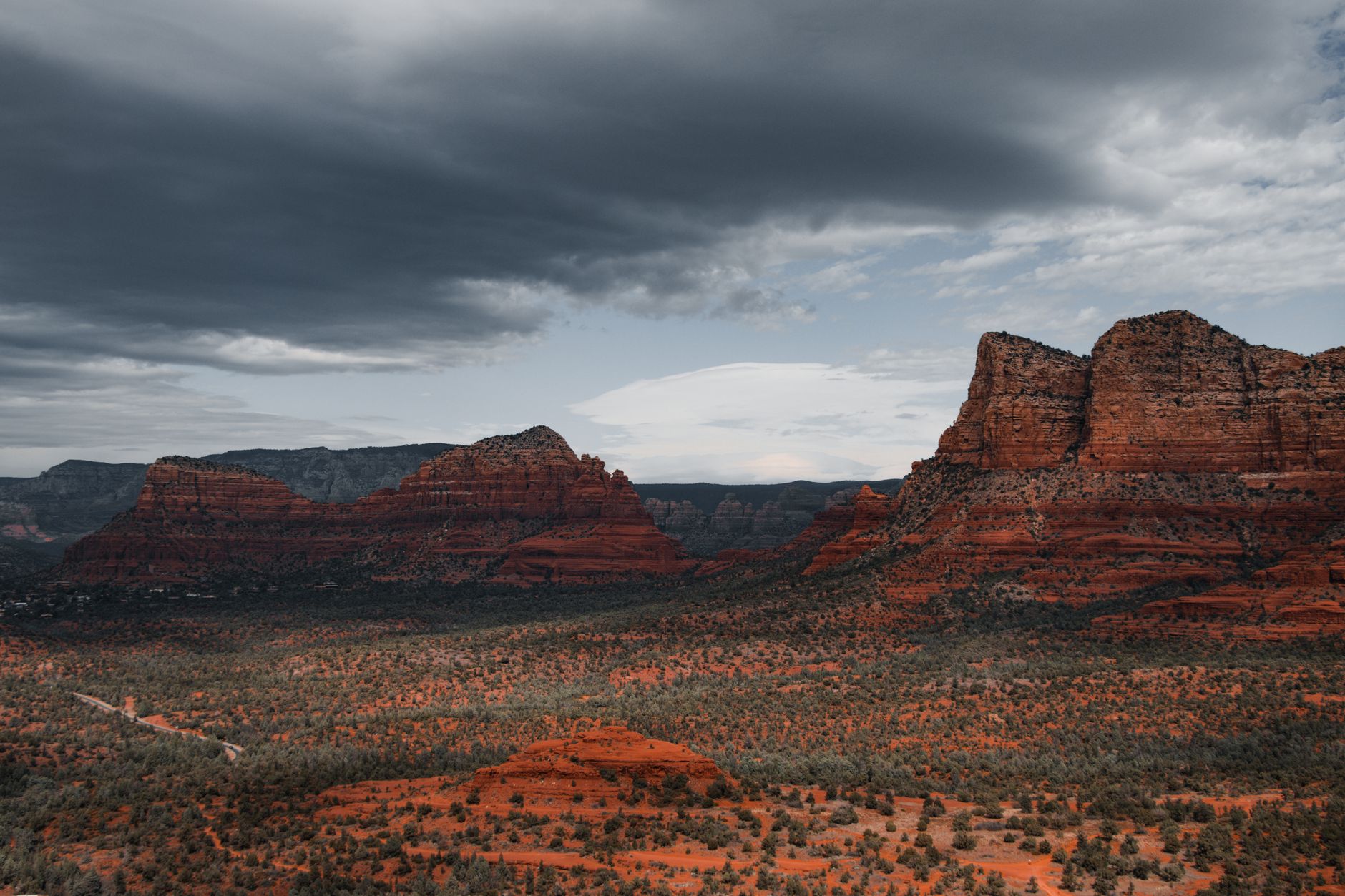
If you have been circling Sedona’s listings and quietly wincing at what you are seeing, you are not alone. Camp Verde Arizona living is the conversation a lot of buyers end up having after a few months of searching closer to the red rocks and realizing the Verde Valley is bigger, and more varied, than the postcard towns that get all the attention. Camp Verde sits at the southern end of that valley, and for the right kind of buyer, it is the most practical option on the map.
Where Camp Verde Fits in the Verde Valley
Camp Verde is the southernmost of the main Verde Valley communities, set along the Verde River and just off Interstate 17. That freeway access is one of its defining traits. It puts Camp Verde within a reasonable drive of Phoenix, which sits roughly two hours south, while Sedona and the rest of the valley, including Cottonwood, Clarkdale, and Jerome, are a short drive north. For people who split time between the Valley of the Sun and the high desert, or who commute periodically for work, that freeway proximity changes the math on where to live.
The town itself is lower in elevation than Sedona, which means noticeably warmer summers and milder winters. It is a trade worth understanding before you commit: you give up some of the cooler, pine-forest feel you get near Flagstaff or up in Oak Creek Canyon, and in exchange you get a longer outdoor season, easier winter driving, and a landscape that opens up into river bottoms, cottonwood groves, and high desert grassland rather than dense red rock walls.
What Daily Life Looks Like
Camp Verde reads as a working town rather than a resort town. It has long functioned as an agricultural and ranching community, and that history is still visible in the open land, the irrigation ditches off the Verde River, and the pace of the place. This is not Uptown Sedona with galleries and tour buses. It is a place where you can still find elbow room, acreage, and a slower rhythm, while staying close enough to Sedona, Cottonwood, and even Flagstaff to reach jobs, specialty shopping, or a night out.
The Verde River itself is the town’s defining natural feature. It supports cottonwood and willow riparian habitat that is unusual in the desert Southwest, and it draws anglers, birders, and anyone who wants a slower, water-based alternative to the trail-heavy recreation Sedona is known for. If your version of a good weekend involves a quiet riverbank more than a crowded vortex trail, that is a meaningful point in Camp Verde’s favor.
Access to the Rest of the Valley
- Cottonwood, with its walkable Old Town and wine tasting rooms, is a manageable drive north.
- Clarkdale and Jerome, perched on Mingus Mountain, are within range for an afternoon trip.
- Sedona’s red rock trails, Cathedral Rock, Bell Rock, and Oak Creek Canyon, are reachable without being on top of them day to day.
- The Verde Valley Wine Trail, running through Page Springs, Cornville, and Cottonwood, makes for an easy loop from Camp Verde.
- Flagstaff is accessible for bigger-city amenities, a university town feel, and cooler mountain air when summer heat sets in.
Who Actually Chooses Camp Verde
People considering Camp Verde Arizona living tend to fall into a few categories. There are retirees who want warm winters and open land without paying for a view lot in Sedona proper. There are commuters who need the interstate for work in Flagstaff or periodic trips to Phoenix. There are horse and livestock owners drawn to the acreage and the agricultural zoning that is harder to find closer to Sedona’s core. And there are investors and second-home buyers who like the idea of Verde Valley living but want more breathing room, literally and otherwise, than the tighter lots in West Sedona or the Village of Oak Creek.
It is worth being honest about who Camp Verde is not for. If your priority is walking to a gallery, having restaurants and shops within a few blocks, or being steps from the most photographed trailheads, Uptown Sedona or even Cottonwood’s Old Town will serve you better. Camp Verde rewards people who want space and are comfortable driving a bit for nightlife, dining variety, or cultural events.
What to Think About Before You Buy or Rent Here
Land and Water
Because much of Camp Verde’s draw is acreage, ranch-style parcels, and proximity to the river, anyone serious about buying here should spend real time understanding water rights, well access, and floodplain considerations tied to the Verde River. This is not unique to Camp Verde, but it matters more here than it does on a standard residential lot in West Sedona. Work through these details with a local professional rather than assuming standard city-lot rules apply.
Commute Reality, Not Just Commute Distance
The interstate access is real, but it is worth test-driving your actual route and timing before you commit, especially if you are weighing a daily or near-daily commute to Flagstaff or the Phoenix area. A map distance and a lived commute are two different things, and summer construction, monsoon storms, or winter weather on the higher stretches toward Flagstaff can change the experience season to season.
Heat Tolerance
Camp Verde’s lower elevation means summer heat arrives earlier and stays later than it does up in Sedona or Flagstaff. If you are coming from a cooler climate and picturing Sedona-style summers, adjust that picture for Camp Verde. Many residents build their outdoor routines, gardening, riverside time, early morning rather than afternoon, around that heat rather than fighting it.
Pace and Services
Camp Verde has grown, but it still has a smaller, more rural footprint than Cottonwood or Sedona. For some buyers that is the entire appeal. For others, it means getting comfortable with a short drive for a wider selection of restaurants, specialty medical care, or big-box shopping. Map out your actual weekly errands before assuming the convenience level you are used to elsewhere.
How the Camp Verde Decision Usually Plays Out
Most buyers who end up in Camp Verde did not start there. They started by looking at Sedona, got priced or crowded out of what they wanted, and widened the search south along the interstate. What they find is a town with genuine agricultural roots, easier access to the Verde River, a warmer and more forgiving winter climate, and a location that keeps the rest of the Verde Valley, and Flagstaff and Phoenix beyond it, within reach. It is not a substitute for Sedona’s red rock scenery, and it should not be sold as one. It is its own thing: a working valley town with room to spread out.
If space, river access, agricultural zoning, and interstate convenience matter more to you than walkability to galleries and trailheads, Camp Verde deserves a serious look. Spend a weekend there in both summer and winter if you can, drive your actual commute route, and talk to a local agent who knows the water and land nuances specific to the area. That is how you figure out whether Camp Verde Arizona living is the value play it looks like on paper, or just a good idea that does not fit how you actually live.
Frequently Asked Questions
Is Camp Verde close to Sedona?
Yes, Camp Verde sits at the southern end of the Verde Valley, a reasonably short drive from Sedona and even closer to Cottonwood. It gives residents easy access to Sedona’s trails and sights without living directly in the tourist core.
What makes Camp Verde different from Sedona or Cottonwood?
Camp Verde has deeper agricultural and ranching roots, more open land and acreage, and a lower elevation that means warmer winters and hotter summers. It is a quieter, more rural alternative to Sedona’s red rock scenery and Cottonwood’s walkable Old Town.
Is Camp Verde a good fit for commuters?
Camp Verde sits directly off Interstate 17, which makes it a practical base for people who occasionally or regularly need to reach Flagstaff or the Phoenix area. It is worth test-driving the actual commute before committing, since conditions vary by season.
What should I know about land and water before buying property in Camp Verde?
Because many properties involve acreage near the Verde River, water rights, well access, and floodplain considerations deserve careful attention. It is best to work through these details with a local real estate professional familiar with the area.
Thinking About More Than a Visit?
Sedona has a way of making people wonder what it would be like to stay. If owning a home here has crossed your mind, whether that is a full-time move, a second home, or a place to retire, a home consult is where you get real answers about neighborhoods, what things cost, and what actually fits.
