
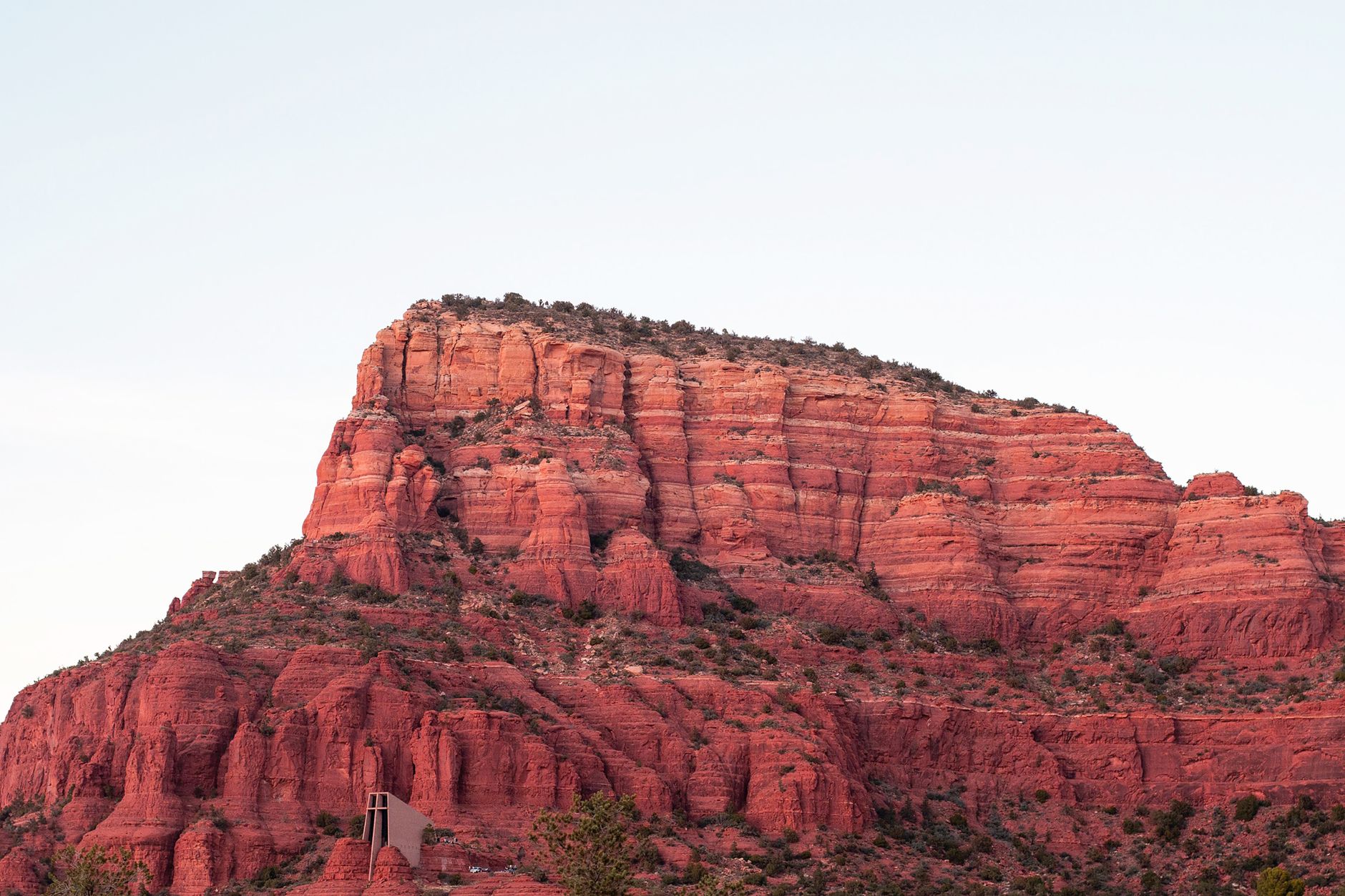
Buying a second home in Sedona is not the same decision as buying a second home somewhere flat and familiar. The red rocks change how a house sits in the landscape, the elevation changes how the seasons feel, and the town itself splits into a few very different personalities depending on which side of Highway 89A you land on. If you are weighing a second home in Sedona for weekends, retirement down the road, or a slower transition out of a busier city, the details below are the ones that actually matter once the initial excitement of red rock views wears off and you are living with the day to day reality of owning here.
Why People Choose a Second Home in Sedona
Sedona sits at about 4,350 feet in the Verde Valley, which gives it four real but mild seasons rather than the brutal summers people associate with the desert further south. Warm, dry summers, a July and August monsoon that brings dramatic afternoon storms, occasional light snow in winter that usually melts within a day or two, and long, comfortable spring and fall stretches that many longtime owners consider the best months of the year. That climate, paired with the red rock scenery, is a big part of why so many buyers who start out renting a place for a week end up looking for something of their own.
Beyond the scenery, a second home in Sedona gives you a home base for the trail system, the art and food scene in Uptown, and easy access to the wider Verde Valley without needing to relocate full time. For a lot of owners, it becomes the place they gradually spend more and more of the year, until the “second” home quietly becomes the primary one.
Understanding Sedona’s Different Neighborhoods
One of the biggest mistakes out of town buyers make is treating “Sedona” as a single place. It is not. Where you buy changes your daily life more than almost any other factor.
West Sedona
This is the working, residential side of town. Grocery stores, local restaurants, medical offices, and the everyday errands of life happen here. It is less about postcard views out every window and more about livability, and it tends to appeal to buyers who want to actually live like a local rather than feel like they are staying in a resort.
Uptown
Uptown is the tourist-facing heart of Sedona, with galleries, shops, and restaurants clustered close together and red rock views that are hard to beat. It is walkable and lively, but it also means more visitor traffic, especially during peak season. Buyers drawn to Uptown are usually prioritizing views and walkability over quiet.
Village of Oak Creek (VOC)
South of Sedona proper, the Village of Oak Creek tends to feel a bit quieter and more residential, with golf as part of the draw for a lot of owners. It is still very much Sedona in feel and scenery, just with some breathing room from the busiest tourist corridors.
The Wider Verde Valley
Some buyers looking for a second home in Sedona end up widening their search to nearby towns once they see what is available. Cottonwood, about 20 minutes away, has a walkable Old Town and a growing wine scene. Clarkdale is smaller and quieter. Jerome is a historic mining town perched dramatically on Mingus Mountain, full of character but with steep streets and older building stock to consider. Camp Verde and Cornville offer a more rural, spread out feel. None of these are Sedona itself, but they are worth knowing about if red rock views matter more to you than a Sedona zip code.
What to Think About Before You Buy a Second Home in Sedona
How Often You Will Actually Use It
Be honest with yourself about whether this is a weekend house, a season-long retreat, or a future retirement home. That answer shapes everything from location to how much you will want to furnish it for comfort versus efficiency.
Access and Terrain
Sedona’s landscape is beautiful but it is not flat. Many properties have significant grade changes, rock outcroppings, or long driveways. If mobility is a consideration now or down the road, walk the property at different times and pay attention to stairs, slopes, and how far the house sits from parking.
Water, Wells, and Utilities
Depending on where you buy, you may be on a municipal water system or a private well, and septic systems are common outside the more built up areas. These are not deal breakers, but they are things to understand fully before you commit, since maintenance and inspection needs differ from a typical city hookup.
Seasonal Living Patterns
Some owners use their Sedona home heavily in spring and fall and lightly in the peak of summer or the depths of winter. Think about how a home sits empty for stretches of the year. Consider things like who will check on the property, how landscaping is maintained, and how you will handle the monsoon season’s occasional heavy rain and flash flood potential in low lying areas.
HOA and Community Rules
Some neighborhoods, particularly in the Village of Oak Creek and newer developments, have homeowners associations with their own guidelines. Others, especially older West Sedona properties, do not. Read any governing documents carefully so you understand what is and is not allowed, from exterior changes to short-term rental policies.
Lifestyle: What Living With a Second Home in Sedona Feels Like
Owning here means the red rocks become part of your daily rhythm rather than a vacation backdrop. Morning hikes to spots like Bell Rock or Cathedral Rock become a regular habit rather than a bucket list item. Airport Mesa turns into your go-to sunset spot. Oak Creek Canyon and Slide Rock State Park become the place you take out of town guests, and Tlaquepaque becomes a normal errand stop rather than a special occasion.
Many owners also find themselves drawn into the energy and wellness culture Sedona is known for, whether or not that was part of the original plan. The four vortex sites, Airport Mesa, Cathedral Rock, Bell Rock, and Boynton Canyon, draw visitors from all over the world, and living nearby means you can experience them without the crowds of a day trip, simply by timing your visits for early morning or off hours.
Weekend life often expands outward into the Verde Valley too. A short drive to Cottonwood for Old Town shops and wine tasting, an afternoon in Jerome winding through its historic streets, or a slower day exploring the Verde Valley Wine Trail through Page Springs, Cornville, and Cottonwood. Sedona’s location also makes it a workable base for broader travel, with Phoenix about two hours south and Flagstaff around 45 minutes north.
Questions to Ask Yourself Before You Commit
- Do you want walkability and views, or quiet and space? That question alone often points you toward Uptown, West Sedona, or the Village of Oak Creek.
- How will the home be maintained when you are not there, and who is your point of contact locally?
- Are you open to looking in the wider Verde Valley if the right Sedona property does not come up?
- What is your realistic timeline, weekends now, more time later, full time eventually?
- Have you walked the property in different seasons, or at least asked detailed questions about how it handles summer heat, monsoon rain, and any winter weather?
Working with an agent who actually lives and works in Sedona and the Verde Valley matters here more than in a lot of markets, simply because the differences between neighborhoods, terrain, and utility setups are significant and easy to miss from a listing photo. A second home in Sedona is a lifestyle decision as much as a real estate one, and the buyers who end up happiest are the ones who take the time to understand how the town actually functions, not just how it photographs.
Frequently Asked Questions
What is the best area to buy a second home in Sedona?
It depends on your priorities. West Sedona suits buyers who want everyday livability, Uptown suits those who want walkability and views despite more visitor traffic, and the Village of Oak Creek offers a quieter, more residential feel with golf nearby.
Is Sedona a good location for a vacation home?
Sedona’s mild four-season climate, red rock scenery, and trail access make it a popular choice for vacation and second homes, especially for owners who want a home base for hiking, wellness activities, and exploring the wider Verde Valley.
Should I consider towns near Sedona instead of Sedona itself?
Yes, it is worth widening your search to nearby Verde Valley towns like Cottonwood, Clarkdale, or Jerome, which offer a different pace and price point while still being close to Sedona’s trails and red rock views.
What should I check before buying property in Sedona regarding utilities?
Confirm whether the property is on municipal water or a private well, and whether it uses septic rather than sewer, since these systems require different maintenance than typical city utility hookups and vary by neighborhood.
Thinking About More Than a Visit?
Sedona has a way of making people wonder what it would be like to stay. If owning a home here has crossed your mind, whether that is a full-time move, a second home, or a place to retire, a home consult is where you get real answers about neighborhoods, what things cost, and what actually fits.
